Choosing a Roof Profile That Handles Heavy Rainfall
The Sunshine Coast, Queensland, has a subtropical climate with a pronounced wet season. Summer storms, east coast lows and the occasional ex-tropical cyclone can deliver intense downpours in a short time. Coastal areas such as Maroochydore, Caloundra and Mooloolaba, and hinterland suburbs such as Maleny and Montville, regularly record annual rainfall well above the Australian average, and the hinterland often receives considerably more than the coast. For homeowners, choosing the right roof profile is one of the most important decisions for keeping water out and protecting the structure for decades.
This guide explains how roof profiles, pitch, materials and drainage work together to cope with heavy rain, and what to consider when building, replacing or upgrading a roof on the Sunshine Coast in 2026.
What Is a Roof Profile and Why Does It Matter?
A roof profile refers to two related things: the overall shape of the roof (gable, hip, skillion and so on) and the cross-sectional shape of the roofing material itself, such as corrugated, trapezoidal or standing https://titusynir978.fairmontdigest.com/posts/why-light-coloured-roofs-save-more-energy-in-queensland seam sheet metal, or the contour of concrete and terracotta tiles. Both affect how quickly water is shed, how much water a roof can carry before it overflows, and how likely it is that rain will be driven under laps and flashings during storms.
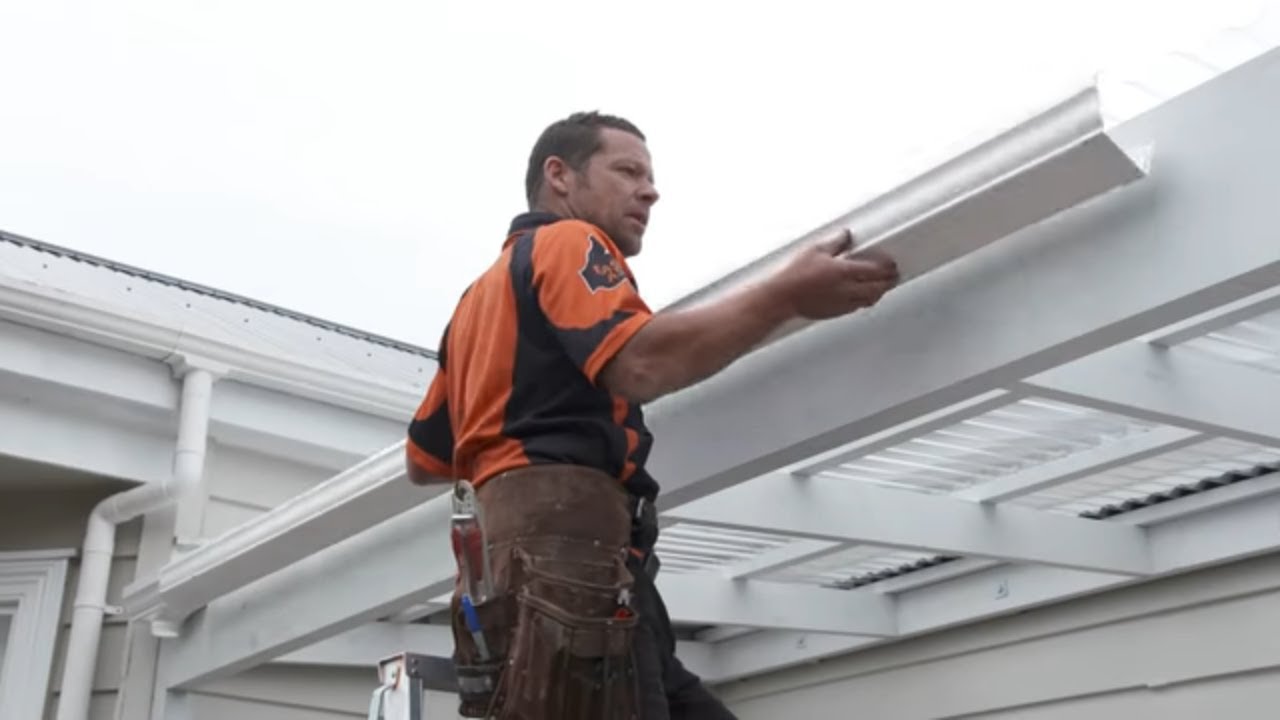
In heavy rainfall, a roof has to move a large volume of water to the gutters and downpipes without allowing it to pool, back up or travel sideways under the cladding. Profile depth, rib spacing, pitch and the quality of installation all influence this.
Roof Shapes and How They Perform in Heavy Rain
Hip Roofs
Hip roofs slope on all four sides and are common across Sunshine Coast suburbs. They are structurally strong in high winds, which matters in a region where storms often combine heavy rain with strong gusts. The multiple ridges and valleys do add complexity. Valleys carry a concentrated flow of water and need to be correctly sized and well flashed.

Gable Roofs
Gable roofs have two main slopes and shed water efficiently, particularly at steeper pitches. They have fewer valleys than a hip roof, which reduces potential leak points. However, large gable ends can be exposed to wind-driven rain, so the quality of barge flashings and eave details is important.
Skillion and Low-Pitch Roofs
Skillion roofs are popular in contemporary coastal and hinterland homes. A single plane is simple, but low pitches shed water more slowly and leave less margin for error. Roofing products must be rated for the pitch used, and sheet lengths, lap details and sealing become more critical. Gutters, or concealed box gutters, must also be generously sized.
Flat and Very Low-Slope Roofs
Flat roofs can perform well with the right membrane and drainage, but they carry the highest risk in intense rain if outlets block or are undersized. If a design includes a parapet or concealed gutter, an overflow provision is essential.
Roof Pitch: The Key to Shedding Water
Pitch is the angle of the roof, and it has a direct effect on how quickly water drains. Steeper roofs shed water faster and are less prone to water being pushed back up under laps by wind. Minimum pitches vary by product and are set by manufacturers and by the Building Code of Australia and relevant standards.
- Metal sheeting: Many corrugated profiles can be installed at low pitches, often down to around 5 degrees, while some long-run trapezoidal and standing seam profiles can go lower. Always confirm against the manufacturer's specification.
- Concrete and terracotta tiles: These typically require a minimum pitch of around 15 to 20 degrees, with higher pitches or additional sarking and underlay recommended in high-rainfall or exposed locations.
- Heavy rainfall areas: Choosing a pitch above the minimum, commonly in the 20 to 25 degree range or steeper for tiled roofs, provides extra protection against water backing up during storms.
Choosing the Right Roofing Material Profile
Metal Roofing Profiles
Metal roofing, particularly Colorbond steel, is widely used on the Sunshine Coast. Profile choice has a significant effect on drainage capacity.
- Corrugated: The classic wave profile is economical and handles rain well at moderate pitches. Its rounded ribs are shallow, so it has less channel capacity than deeper trapezoidal profiles.
- Trapezoidal (such as Trimdek-style): Taller, flat-sided ribs create larger pans that carry more water, making them a strong choice for heavy rainfall, especially on longer roof runs.
- Standing seam and concealed fix: Raised seams and no exposed fasteners reduce potential leak paths. These profiles suit low pitches and modern designs, and perform well when water volume is high.
Deeper ribs and fewer exposed fasteners generally give better performance in intense rain. Fastener type, sealing washers and correct lap widths all matter. In coastal areas, within a few hundred metres to a kilometre of the surf or sheltered waterways, corrosion-resistant grades and finishes should be specified.
Concrete and Terracotta Tiles
Tiles are durable and offer good thermal mass, and many profiles include interlocking side channels to direct water downhill. The tile itself is rarely the weak point in heavy rain. The risk lies in what sits underneath. Sarking, battens, valley trays and ridge capping all play a part, and aging pointing or bedding on ridge caps is a common source of leaks on older homes. Modern tiled roofs on the Sunshine Coast typically use flexible pointing and mechanically fixed ridge capping to reduce this problem.
Other Options
Zincalume and zinc-aluminium alloy sheeting, slate and select synthetic products are also available. Each has specific minimum pitches and installation requirements, so consult product technical data and a licensed roofer before deciding.
Gutters, Downpipes and Drainage Capacity
Even the best roof profile will fail if the drainage system cannot handle the flow. Australian Standard AS/NZS 3500.3 covers stormwater drainage design and sets out how gutters and downpipes should be sized based on rainfall intensity and roof catchment area. Sunshine Coast design rainfall intensities are high, so the system needs to cope with short bursts of very heavy rain, not just average conditions.
- Use larger gutter profiles such as quad or high-front types, or wider box gutters, for big roof catchments.
- Install additional downpipes where valleys or long roof runs concentrate water.
- Include overflow provisions, such as slotted overflows or lowered front edges, so excess water spills away from the building rather than into the roof cavity.
- Fit gutter guards that are suitable for high flows, and clean them regularly, as leaf litter from native trees is a common cause of blockages.
- Make sure stormwater drains and pits at ground level can take the volume discharged.
Valleys, Flashings and Penetrations
Most heavy-rain leaks occur at junctions rather than in open roof sheets. Valleys, chimneys, skylights, solar panel fixings, vents and wall abutments are all potential entry points. Wide, deep valley gutters with adequate upstands carry more water and reduce the chance of overtopping. Flashings should be installed to manufacturer requirements and the relevant standards, such as AS 1562 for sheet roofing and AS 2050 for tiled roofing, with careful sealing and overlapping details.
If you plan to add solar panels, which are very common in Queensland, ensure the installer uses flashed or properly sealed fixings and does not compromise the roof profile or restrict water flow in the pans.
Wind-Driven Rain and Cyclone-Region Considerations
The Sunshine Coast is generally classified as wind region B under AS/NZS 1170.2, which means roofs must be designed and fixed to withstand significant wind loads. Rain in storms is often driven horizontally, so roof details matter more than they do in calmer climates. Good practice includes:
- Using sarking or a quality roof underlay as a secondary barrier, particularly beneath tiles.
- Specifying correct fastener types, spacings and cyclone or batten fixings where required.
- Selecting profiles with higher ribs and enhanced anti-capillary features at laps.
- Ensuring eaves, fascias and ridges are properly ventilated and sealed against wind-driven moisture.
Ventilation, Insulation and Condensation
High humidity on the Sunshine Coast means condensation can be a concern, particularly under metal roofs. Moisture that forms beneath the sheeting can look like a leak and cause real damage over time. A sarking layer with an integrated anticondensation blanket, adequate roof ventilation, and insulation installed according to the National Construction Code requirements help control moisture while also improving energy efficiency.
Regulations and Standards in 2026
Roof work in Queensland must comply with the National Construction Code, relevant Australian Standards and Queensland building legislation. Energy efficiency requirements under recent NCC updates continue to influence insulation and roof colour choices. Work must be carried out by appropriately licensed contractors, and Queensland Building and Construction Commission (QBCC) licensing applies to most roofing work above the threshold value. Local council requirements, as well as any bushfire or flood overlay, may also influence material and design choices, especially in hinterland areas and properties near waterways.
Insurers have also become more attentive to roof condition and storm resilience in recent years. Documenting your roof's age, materials and maintenance history can be useful when arranging cover.
Maintenance for Long-Term Rain Performance
A well-chosen roof profile still needs regular care. Aim to inspect the roof at least once a year and before the wet season begins, typically in October or November, and after any major storm.

- Clear gutters, downpipes and valleys of leaves and debris.
- Check for loose, corroded or missing fasteners on metal roofs.
- Look for cracked or displaced tiles and deteriorated ridge pointing.
- Inspect flashings and sealants around penetrations, skylights and solar fixings.
- Trim overhanging branches that drop debris or could damage the roof in strong winds.
- Check ceilings and roof spaces for stains, damp or mould, which can signal early leaks.
How to Choose the Right Profile for Your Home
The best option depends on your site, budget and design. Consider these questions when comparing quotes and products:
- What is the roof pitch, and does the chosen product comply for that pitch in a high-rainfall area?
- How large is the catchment, and are gutters and downpipes sized for peak rainfall intensity?
- How exposed is the site to wind and salt air?
- Does the design have many valleys or penetrations that could be simplified?
- Is the product backed by a manufacturer warranty that covers coastal or high-rainfall conditions?
Where possible, simple roof forms with fewer junctions, steeper pitches and deeper-ribbed profiles generally offer the most reliable performance. Complex designs can still work well, but they demand higher-quality detailing and more careful installation.
Working With a Local Roofing Professional
A licensed local roofer will understand Sunshine Coast conditions, from coastal salt exposure to hinterland downpours, and can recommend profiles and details suited to your property. Ask for a written scope that specifies the roofing product and profile, pitch compliance, underlay, flashings, gutter and downpipe sizing, and warranty terms. Checking a contractor's QBCC licence and references is a sensible step before work begins.
Choosing a roof profile that copes with heavy rainfall is an investment in the comfort, safety and value of your home. With the right pitch, a suitable profile, quality flashings and a properly sized drainage system, your roof can handle the Sunshine Coast's wet season for many years to come, including the storms of 2027 and beyond.
Sunshine Coast Roof Restoration & Repair
Unit 8/13 Newspaper Pl, Maroochydore QLD 4558
(07) 4145 4576